
Pitt-BWF Physician Scientist Incubator
Fall 2026
This quarter, we are proud to feature current BWF Scholar - Dr. Maria Lane along with BWF alum Dr. Christof Kaltenmeier. We also share the latest presentations and recent select publications from our scholars. In addition, we’ve included a list of upcoming Incubator classes and events.
The Physician Scientist Incubator is a program that was developed in 2018 to enrich the pool of MD/DO only physician scientists. The Incubator has matriculated 8 cohorts for a total of 53 Scholars. To date, Scholars have over 300 authorships since joining the program. The goal of the program is to train the highest quality biomedical investigators by building their scientific, professional, and resiliency skills necessary to become and persist as a successful physician-scientist. Resident and fellow Pitt-BWF Scholars from multiple departments benefit from a structured curriculum, writing groups, executive coaching, and time-saving initiatives.
Featured Scholar
 Maria Lane, DO is currently a Pediatric Hematology/Oncology Fellow and BWF Scholar. Her research focuses on immune profiling of juvenile systemic sclerosis patients following cellular therapies under the mentorship of Dr. Kathryn Torok, Dr. Paulina Horvei, and Dr. Jeffrey Bednarski.
Dr. Lane’s research focuses on identifying immune signatures associated with a complete response, incomplete response or nonresponse, and disease flare following cellular therapies in juvenile systemic sclerosis patients (jSSc). jSSc is a rare life-threatening autoimmune disease with multiorgan involvement characterized by fibrosis, vasculopathy, and immune dysregulation that carries the highest mortality among pediatric rheumatologic conditions. For children with severe/treatment refractory disease, autologous stem cell transplant (ASCT) has emerged as an effective and tolerable treatment strategy while CD-19 directed CAR-T (CART19) therapy also represents an emerging cellular therapeutic option, however decisions regarding treatment and timing are currently guided largely by adult SSc data, despite important pediatric clinical differences. In the absence of pediatric biomarkers to inform these clinical decisions and trajectories, there remains a critical barrier to improving outcomes and predicting treatment response vs disease flare in this patient population. I hypothesize that jSSc patients exhibit distinct immune subset abnormalities compared to healthy controls, and that immune reconstitution after ASCT generates measurable immune signatures predictive of clinical outcomes. By including longitudinal biospecimens along with linked clinical data, this project will help establish a pediatric framework for biomarker discovery and future cellular therapy trials for pediatric patients.
Why have you decided to pursue a career as a physician scientist? Dr. Lane shared, “A physician-scientist has the unique opportunity to bridge clinical medicine and scientific discovery. My fellowship experience so far caring for children receiving immunotherapies, cellular therapies, and hematopoietic stem cell transplantation has strengthened my interest in translational research and the rapidly evolving therapeutic applications of immunobiology. As an inquisitive learner, I frequently generate clinical questions at the bedside, while laboratory investigation provides the tools to explore these questions further. For me, clinical medicine and research are complementary approaches to the same goal: understanding disease more deeply and using that knowledge to improve care.”
What are your future career goals as a physician scientist? Dr. Lane shared, “Long term, my career goal is to become an independent physician-scientist who develops and translates immune and cellular based therapies for children with cancer and autoimmune diseases. I envision leading a multidisciplinary, collaborative research team across pediatric specialties to develop and evaluate these therapies through clinical trials and facilitate their safe integration into clinical care. Together with strong mentorship, institutional support, and educational opportunities, I will develop the expertise needed for independence and bridge discoveries across the translational spectrum to improve outcomes for children with serious immune-mediated diseases and malignancies.”
Alumni Spotlight
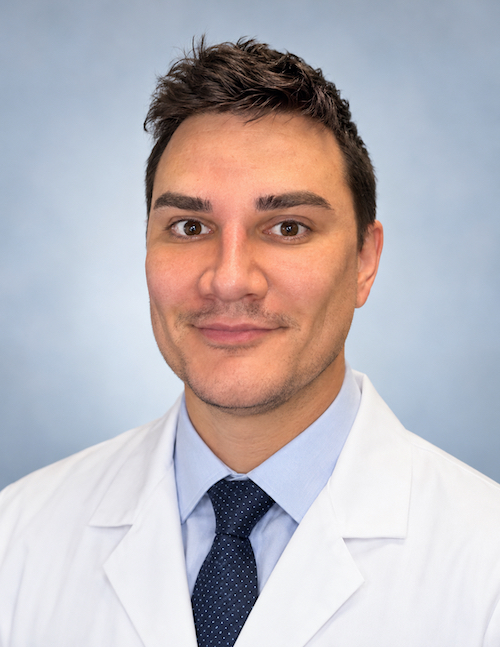 Christof Kaltenmeier, MD is currently Assistant Professor of Surgery at the Medical University of South Carolina. We recently caught up with Dr. Kaltenmeier, and he kindly provided an update.
Why did you decide to pursue a career as a physician-scientist? Dr. Kaltenmeier shared, “I became a physician-scientist because the questions that matter most for my patients cannot be answered at the bedside alone. In transplantation and liver surgery, we decide whether to accept a marginal organ, how long to perfuse it, and whether a patient with liver cancer is likely to recur. We make these decisions with little insight into the biology that actually determines the outcome.
Research has been part of my training since my doctoral thesis at the University of Ulm. The defining experience came during surgical residency at the University of Pittsburgh. There I found that neutrophil extracellular traps released after liver ischemia–reperfusion carry PD-L1, drive T-cell exhaustion and promote tumor growth. This showed me that the injury we cause in the operating room can reshape the immune response to cancer. It also showed me that the operating room is a scientific vantage point. As a transplant surgeon, I can study human organs at precisely defined moments: before preservation, during machine perfusion and after reperfusion. Animal models cannot fully reproduce this. Being a physician-scientist is how I turn that access into answers that help my patients.”
What are your research interests? Dr. Kaltenmeier shared, “My research asks how injury and inflammation shape the immune response, in transplanted organs and in liver cancer. I start from human tissue, using single-cell and bulk transcriptomics, and test mechanism in mouse models. My work has three main lines:
- Graft injury and adaptation. I study human liver biopsies sampled across preservation, normothermic machine perfusion and reperfusion. I map the stress and immune programs that accompany graft injury. This includes a transcriptional response during perfusion that is conserved across liver, kidney and lung. It also includes differences between donor- and recipient-derived immune cells after reperfusion.
- Transplant oncology. In hepatocellular carcinoma, I study how nitric oxide and prostaglandin E2 signaling (NOS2/COX2) shapes CD8 T-cell fate and limits responses to checkpoint immunotherapy. My focus is MASH-related disease.
- Rejection monitoring. With collaborators, I am developing plasma glycoproteomic signatures of kidney allograft rejection, including how they change before clinical diagnosis.
I also use national registry and electronic health record data to study organ selection and perioperative outcomes. The common thread is the immune response to injury: how it starts, how to measure it, and how to redirect it.”
What are your future career goals as a physician-scientist? Dr. Kaltenmeier shared, “My goal is to lead an independently funded laboratory that moves continuously between the operating room and the bench. Over the next five years, I aim to secure R01 funding as principal investigator for my HCC immunotherapy program. I also aim to fund the kidney rejection biomarker study as one of its multiple principal investigators. Finally, I plan to build a prospective biospecimen resource in liver transplantation. It will link tissue, perfusate and blood collected at defined timepoints to detailed clinical outcomes. Much of my discovery work to date has used public datasets. Its most promising findings will only matter clinically once they are tested prospectively, in adequately powered cohorts with objective outcomes. This resource is how I intend to do that.”
Dr. Kaltenmeier’s selected research publications:
- Kaltenmeier C, Hanish SI, Nagaraju S, Barry T, Bolin ED, Cawley PJ, Meenashi Sundaram P, Crawford T, Samy K, Di Sabato D, van der Windt DJ, McGillicuddy JW, Celia A, Baliga PK, Scalea J. SETI-The Semi-Elective Transplant Initiative: A Systems-Based Approach to Expanding Kidney Transplant Access Through Operational Redesign. Ann Surg. 2026 Oct 15. doi: 10.1097/SLA.0000000000007235. Online ahead of print. PMID: 42875848
- Kaltenmeier C, Ashwat E, Liu H, Elias C, Rahman A, Mail-Anthony J, Neckermann I, Dharmayan S, Crane A, Packiaraj G, Ayloo S, Ganoza A, Gunabushanam V, Molinari M. Post-Liver Transplant Outcomes: A Comparative Study of 6 Predictive Models. Transplant Direct. 2024 Nov 15;10(12):e1724. doi: 10.1097/TXD.0000000000001724. eCollection 2024 Dec. PMID: 39563723
- Kaltenmeier C, Liu H, Zhang X, Ganoza A, Crane A, Powers C, Gunabushanam V, Behari J, Molinari M. Survival after live donor versus deceased donor liver transplantation: propensity score-matched study. BJS Open. 2024 May 8;8(3):zrae058. doi: 10.1093/bjsopen/zrae058. PMID: 38837956
- Kaltenmeier C, Geller DA, Ganesh S, Tohme S, Molinari M, Tevar A, Hughes C, Humar A. Living donor liver transplantation for colorectal cancer liver metastases: Midterm outcomes at a single center in North America. Am J Transplant. 2024 Apr;24(4):681-687. doi: 10.1016/j.ajt.2023.09.001. Epub 2023 Oct 6. PMID: 37805187
- Kaltenmeier C, Wang R, Popp B, Geller D, Tohme S, Yazdani HO Role of Immuno-Inflammatory Signals in Liver Ischemia-Reperfusion Injury. Cells. 2022 Jul 17;11(14):2222. doi: 10.3390/cells11142222. PMID: 35883665
- Kaltenmeier C, Yazdani HO, Handu S, Popp B, Geller D, Tohme S. The Role of Neutrophils as a Driver in Hepatic Ischemia-Reperfusion Injury and Cancer Growth. Front Immunol. 2022 Jul 1;13:887565. doi: 10.3389/fimmu.2022.887565. eCollection 2022. PMID: 35844608
- Kaltenmeier C, Stacchiotti S, Gronchi A, Sapisochin G, Liu H, Ashwat E, Gunabushanam V, Reddy D, Thompson A, Geller D, Tohme S, Zureikat A, Molinari M. Treatment modalities and long-term outcomes of hepatic hemangioendothelioma in the United States. HPB (Oxford). 2022 Oct;24(10):1688-1696. doi: 10.1016/j.hpb.2022.03.013. Epub 2022 Apr 14. PMID: 35504832
- Kaltenmeier C, Yazdani HO, Morder K, Geller DA, Simmons RL, Tohme S. Neutrophil Extracellular Traps Promote T Cell Exhaustion in the Tumor Microenvironment. Front Immunol. 2021 Nov 24;12:785222. doi: 10.3389/fimmu.2021.785222. eCollection 2021. PMID: 34899751
- Kaltenmeier C, Morocco B, Yazdani H, Reitz K, Meyer K, Molinari M, Geller D, Tohme S. Impact of Metformin Use on Survival in Patients Undergoing Liver Resection for Colorectal Cancer Metastases. Am Surg. 2021 Nov;87(11):1766-1774. doi: 10.1177/00031348211060445. Epub 2021 Nov 12. PMID: 34766506
News and Presentations
Dr. Joshua Krivinko, BWF Alum, was appointed Assistant Professor of Psychiatry in the Department of Psychiatry at the University of Pittsburgh. Dr. Krivinko’s research interests include investigating novel pharmacotherapies that target synapse dysfunction during aging and promote resilience to cognitive decline in Alzheimer's disease. Congratulations to Dr. Krivinko on his research faculty appointment!
Dr. Catherine Corey’s research was selected for an oral presentation at the 52nd Annual Meeting of the International Society for Pediatric and Adolescent Diabetes in Rio de Janeiro, Brazil, November 4-7, 2026; The title of her presentation is “Cooking Up Better Control: Innovative Community-Based Nutritional Education Program Improves HbA1c in Overweight and Obese Teens with Type I Diabetes (T1D)”.
Select Pitt-BWF Scholar Publications
- Okereke J, Craig A, Rojas M, Degioanni B, Lieberman A, Sembrat J, Evankovich J, Bain W, Bahudhanapati H, Kass DJ, Alder JK, Snyder ME. Accumulation of mucosal and lymphoid hypo-functional granzyme K producing CD8+ effector memory T cells in idiopathic pulmonary fibrosis. Mucosal Immunol. 2026 Oct;19(5):100387. doi: 10.1016/j.mucimm.2026.100387. Epub 2026 Jul 17. PMID: 42468720
- Wu Q, Seydlitz LM, Iakimov V, Hsu DJ, Habibzadeh P, Hoffmann HH, Paty PB, Rice CM, Tavazoie SF. Dietary arginine drives codon-dependent MHC class I translation and improves immunity in colon tumorigenesis and respiratory viral infection. Cell. 2026 Sep 17;189(19):6012-6023.e5. doi: 10.1016/j.cell.2026.07.020. Epub 2026 Jul 30. PMID: 42532044
- Kirillova A, Aytekin M, Chan I, Mina AI, Shao Y, Kirdar A, Zhang DY, Kalepalli N, Girard WS, Al Aaraj YY, Reuter C, Annis JS, Yue Y, Jiang S, Rao RJ, Nouraie SM, Park J, Tang Y, Flores C, Creager MD, Kim PJ, Brittain EL, Scott SA, Manning JR, Okawa S, Salama G, Wu H, Zhang M, Camacho CJ, Gold MS, Parikh VN, Chan SY. Pathogenic variants in myoferlin (MYOF) cause arrhythmogenic cardiomyopathy. medRxiv [Preprint]. 2026 Sep 22:2026.09.21.26363590. doi: 10.64898/2026.09.21.26363590. PMID: 42818195
- Avalos-de Leon CG, Zahorchak AF, Mitsufuji S, Ramaswami B, Yazdani HO, Hadjiyannis Y, Camirand G, Geller DA, Thomson AW. Differential responses of liver versus lymphoid tissue DC to small extracellular vesicles generated by hepatic ischemia-reperfusion injury. J Immunol. 2026 Aug 29;215(9):vkag224. doi: 10.1093/jimmun/vkag224. PMID: 42681966
- Abou-Al-Shaar H, Albalkhi I, Bin-Alamer O, Head JR, Mallela AN, Wegner RE, Kite T, Mahase SS, Nolan K, Zacharia BE, Bailey D, Lee CC, Yang HC, Bowden GN, Hajikarimloo B, Lin M, Yu C, Chang E, Amezquita-Contreras C, Blanco AI, Esquenazi Y, Kumar P, Palmer JD, Franzini A, Picozzi P, Cotrufo PP, Douri K, Mathieu D, Grover P, Williams SC, Sinha S, Comon C, Jalal A, Sirajudeen N, Markov M, Kılıç T, Rustamov R, Kılıç D, Harary PM, Hori YS, Park DJ, Chang SD, Düzkalir AH, Peker S, Urgošík D, Liščák R, Warnick RE, Tripathi M, Bhatta R, Kumar N, Andrade A, Mureb M, Bernstein K, Martínez Moreno N, Martínez-Álvarez R, Zada G, Sheehan JP, Kondziolka D, Niranjan A, Hadjipanayis CG, Lunsford LD. The role of stereotactic radiosurgery in the management of vestibular schwannoma in octogenarians: an international multi-institutional study. J Neurosurg. 2026 Aug 7:1-8. doi: 10.3171/2026.2.JNS252486. Online ahead of print. PMID: 42566794
- Habibzadeh P, Hurd D, Davar D. Making dietary modification in the immunotherapy Era: from mechanistic evidence to practical implementation. Immunotherapy. 2026 Jul;18(10):809-812. doi: 10.1080/1750743X.2026.2717073. Epub 2026 Aug 14. PMID: 42596801
- Habibzadeh P, Kulkarni A, Hurd D, Rose A, Bednarz D, Najjar YG, Kirkwood JM, Karunamurthy A, Davar D. Durable stable disease and immune activation in metastatic uveal melanoma treated with tebentafusp: case report. Front Immunol. 2026 Jul 2;17:1864115. doi: 10.3389/fimmu.2026.1864115. eCollection 2026. PMID: 42465753
- Chandra D, Allbright K, Kinney GL, Li Y, Bowler R, Serban K, Nouraie SM, Nyunoya T, Dutta P, Rennard S, Sciurba F, Königshoff M. Use of the Wnt/β-catenin Activator Lithium Is Associated with Less Emphysema. Ann Am Thorac Soc. 2026 Jun 29:aaoag167. doi: 10.1093/annalsats/aaoag167. Online ahead of print. PMID: 42371758
Upcoming Classes/Events
Pitt-BWF Class
Continuation of Series 3 – Grant Preparation & Pre-Clinical Biostatistics
| Nov 5 | Writing the NIH Biosketch / Personal Statement Review |
| Nov 9-13 | Biostats Bootcamp Week 1 (Mon, Tue, Thurs, Fri) (1st year only) |
| Nov 16-20 | Biostats Bootcamp Week 2 (Mon, Tue, Thurs, Fri) (1st year only) |
| Dec 3 | Writing Training Plans |
| Dec 10 | Biostats: Working Through Class Data/Examples (2nd year only) |
| Dec 17 | Training Plan Review |
| Jan 7 | Mock Study Section |
| Jan 14 | Rebuttals, Resubmission |
The BWF Class curriculum is organized into six thematic series designed to provide a cohesive, cumulative learning experience. Most classes are a combination of a class topic and a presentation by one of the Scholars. Our weekly curriculum is open to interested trainees throughout Pitt. Classes are on Thursdays, generally from 8:00 am – 10:00 am. Contact our program administrator at lovaske1@pitt.edu for more information.